


LÆR ALT OM
Cypriol Oil or Nagarmotha
En duft, der ved, hvordan den skal dvæle, udfolder cypriol sig langsomt og afslører alle sine dynamiske facetter: fra en distinkt træagtig duft til mere læderagtige, røgede nuancer - ikke ulig ambrede eller animalske noter, der minder om oud.
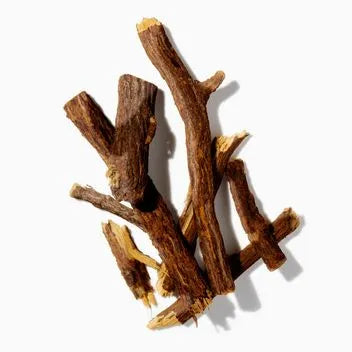
Som en farveløs ingrediens blander cypriol sig sømløst i traditionelle kompositioner og genopfinder de krystalklare, moderne chypre-dufte. Også kendt som nagarmotha stammer den fra rødderne af en sivlignende plante og har en lang historie i indisk parfumeri og ayurveda.
I moderne parfumeri bruges cypriol til at tilføje dybde, mystik og en næsten meditativ ro til en komposition. Den parres godt med oud, vetiver, læder og krydrede toner og bidrager med en jordagtig, røget kvalitet, der gør duften kompleks, sofistikeret og uforglemmelig.
Træagtig, læderagtig og røget - med jordagtige, oud-lignende nuancer.
IndiaWoody
Historie
In ancient Egypt, the papyrus was a highly versatile material, and thus held a coveted position in the minds of those who relied on it. Ancient Egyptians believed papyrus to be the symbol of joy and magic; a Scepter of the goddesses. Meanwhile, Cyperus papyrus became the emblem of lower-Egypt, while the lotus represented a unified Egypt. In India, the Cypriol, in association with milkweed, Indian nard, jatamansi and fekhand, appears in one of the recipes from the charm of Vashikarana mantra. It is said that a man who applies the mystical essence to his forehead is assured romantic success.
Produktion
Similarly to the highly versatile papyrus plant of Egypt, Cyperus scariosus belongs to the cyperacae family. The delicate flowering herb largely grows wild in India, as well as some other regions of Asia. To produce the lavishly fragrant oil, the plant’s roots (rhizomes) undergo a progress of steam distillation.
