


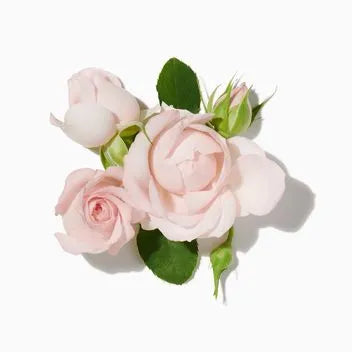
LÆR ALT OM
Rose Centifolia
Delikat, sjælden og dybt eftertragtet: rosa centifolia er pragtfuldt gennemtrængende. Dens honningsøde facetter er rigt duftende og fremmaner dybt blomstrede nuancer, der både er grønne og frugtige. En sandt guddommelig tone, der er frisk og krydret med spændende strejf af litchi.
Også kendt som maj-rose eller hundredbladet rose, dyrkes rosa centifolia primært i Grasse i det sydlige Frankrig, hvor klimaet er ideelt til dens delikate vækst. Den høstes om morgenen, før solen står højt, for at bevare den mest intense duft.
I parfumeriet er rosa centifolia en af de mest værdsatte rosenarter og bruges i nogle af verdens mest luksuriøse dufte. Den parres smukt med jasmin, ylang-ylang, sandeltræ og musk og bidrager med en blød, romantisk dybde, der gør duften tidløs og elegant.
Delikat, honningsød og frugtig - en sjælden og eftertragtet rosenart.
BulgariaFranceMoroccoTurkeyFloral
Historie
Also known as “May rose” or “Grasse rose,” the Rosa centifolia has become synonymous with Grasse. Renowned for its love affair with all things fragrance, the hillside town of Grasse has been home to the fragrant Rosa centifolia for decades. Today, the divinely fragrant rose is predominately cultivated in Morocco. In fact, the only perfume house still relying on Grasse for cultivation of the delicate flower is the ever-chic Chanel.
Produktion
In what we imagine to be some of the most beautiful regions imaginable, roses are grown en masse throughout parts of France, Turkey, Bulgaria and Morocco (the Daddès Valley). But not all roses make it into our beloved fragrances. Rather, roses are classified into two overarching categories: ornamental roses grown for their aesthetic qualities, and then the coveted fragrant roses that pique perfumers’ interests. Among the 5,000 known botanical varieties of roses, only a mere two are used in perfumery: the Rosa Centifolia and the Rosa Damascena. Rosa Centifolia, a thorn-less flower grown in Grasse, is considered to have a more “delicate” scent, extracted using solvents to obtain an absolute. Akin to anything of interest, this divine floral note is shrouded in secrecy—with its production becoming rather secretive of late. And yet, the fragrant qualities of Centifolia are so lovely that prestige perfume houses continue to use it. On the other hand, Rosa Damascena (or Damascus rose)—produced in Turkey and Bulgaria—is the only known rose to exist as an essence. And what’s more: it’s thought to be among the richest, most velvety essences available. This essence is captured through a process of distillation, whereby the flowers are handpicked at dawn and quickly processed to avoid fermentation.
Vidste du?
Known for its lavish number of overlapping petals, Rosa centifolia is actually a hybrid developed by the Dutch between the 17th century and the 19th century (or possibly even earlier). It’s otherwise known as the Provence rose, cabbage rose or Rose de Mai. Native to Asia Minor, there are among 5,000 known rosa species. However—much akin to finding a diamond in the rough—only two botanical varieties are actually used in perfumery: Rosa Centifolia and Rosa Damascena.
Ikonisk duft
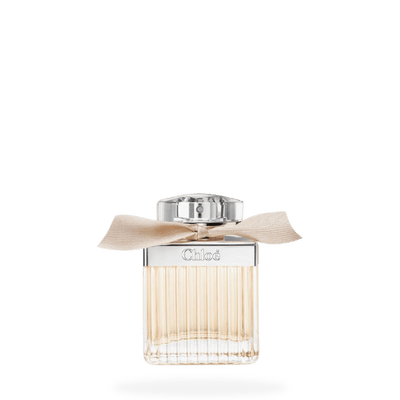
Chloé
Signature - Eau de Parfum
