


LÆR ALT OM
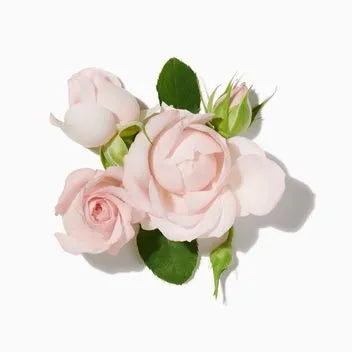
Taif Rose
Parfumeriets grundsten, roser er uløseligt knyttet til de dufte, vi har lært at kende og elske. Faktisk består rose af mere end 400 kendte bestanddele med et udvalg af genskabelser i alle prisklasser. Dens duft er kraftfuld og fyldig, med blomstrede og frugtige kontrastfacetter: sød men krydret, grøn men honningagtig. Rose beskrives ofte som en feminin tone med blomstrede, pudrede facetter.
Taif-rosen, dyrket i de højtliggende bjerge i Saudi-Arabien, betragtes som en af de mest sjældne og dyrebare rosenvarianter i verden. Dens duft er karakteriseret ved en intens, krydret rosenkarakter med honningagtige og næsten vinagtige nuancer - en tone, der har gjort den til en hjørnesten i orientalsk og luksusparfumeri.
Majestætisk, krydret, grøn og honningagtig - både blomstret og frugtagtig, kan minde om litchi.
Floral
Historie
Soft, silky and awe-inspiringly lovely… it’s no wonder roses are the epitome of romance and passion. The existence of roses—and our subsequent fascination with them—spans more than three millennia. Throughout time, roses have been mixed in countless skincare products, distilled into a myriad of scents and olfactory concoctions, and doted on for their aesthetic qualities. The floors of Babylonian palaces are said to have been covered in soft rose petals. In Antiquity, roses were a staple of lavish banquets: used to perfume water, fine wines and jams. And in Morocco, Arabs and Berbers enjoyed distilling roses and rose by-products as early as the first century BC.
Produktion
In what we imagine to be some of the most beautiful regions imaginable, roses are grown en masse throughout parts of France, Turkey, Bulgaria and Morocco (the Daddès Valley). But not all roses make it into our beloved fragrances. Rather, roses are classified into two overarching categories: ornamental roses grown for their aesthetic qualities, and then the coveted fragrant roses that pique perfumers’ interests. Among the 5,000 known botanical varieties of roses, only a mere two are used in perfumery: the Rosa Centifolia and the Rosa Damascena. Rosa Centifolia, a thorn-less flower grown in Grasse, is considered to have a more “delicate” scent, extracted using solvents to obtain an absolute. Akin to anything of interest, this divine floral note is shrouded in secrecy—with its production becoming rather secretive of late. And yet, the fragrant qualities of Centifolia are so lovely that prestige perfume houses continue to use it. On the other hand, Rosa Damascena (or Damascus rose)—produced in Turkey and Bulgaria—is the only known rose to exist as an essence. And what’s more: it’s thought to be among the richest, most velvety essences available. This essence is captured through a process of distillation, whereby the flowers are handpicked at dawn and quickly processed to avoid fermentation.
Vidste du?
The name “Rosa Centifolia,” is inspired by the flowers’ abundance of petals (cent feuilles). The olfactory sophistication of roses is rather impressive: its complex chemistry makes it inimitable, it’s composed of no less than 400 components, some of which are found in traces, but, nevertheless, play a decisive role in shaping its divine scent. The rose itself is the symbol of love (the white rose stands for purity; the red rose for passion). In addition to its palpable importance in perfumery, essential oil of Rosa centifolia has many therapeutic applications. It is a general tonic, and it helps restore balance to mind and body by removing inhibitions to combat anxiety. In cosmetology, it is strongly advised to use it to regenerate dry or flaky skin.
Ikonisk duft
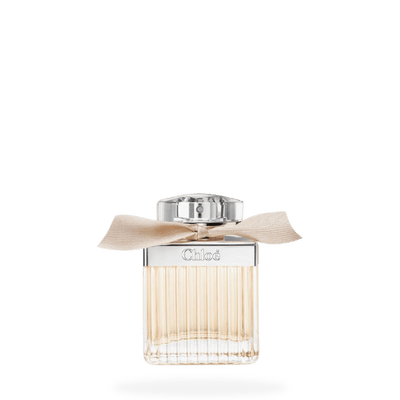
Chloé
Signature - Eau de Parfum
