


LÆR ALT OM
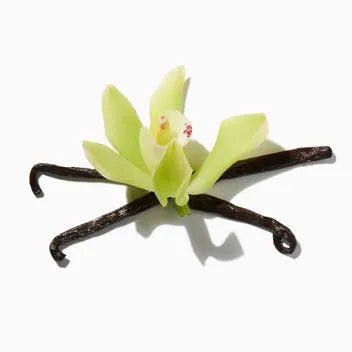
Vanilla
Vanilje
Sød og kraftfuld, gourmand og bitter, blød, krydret og varm, med nogle animalske facetter.
Vanilje er en af de mest populære og eftertragtede toner i parfumeverdenen. Dens enkle, krydrede sødme er en kraftfuld afrodisiakum, og den blander sig vidunderligt med næsten alle andre toner. Spektret af vaniljenuancer er dybt og spænder fra let, filigranagtig glasur til tung, røget sirup.
Dens naturlige krydderi gør, at vanilje passer godt sammen med ikke kun andre søde dessertnoter, men også eksotiske tilføjelser som ruskind, patchouli, yuzu eller litchi, gardenia og tuberose. Det bedste ved vaniljeparfumer er, at de altid er passende uanset årstid, og de skifter øjeblikkeligt fra let dagbrug til ultrasensuelle aftenløsninger.
Vaniljeparfumer er et must i enhver samling, og det tilgængelige udvalg vil tillade mange års lykkelig prøvning. For dig, der søger den fineste, mest krydrede vaniljeduft - start med at prøve Madagaskar-vanilje først.
Blød, varm og dekadent sød - en af parfumeriets mest genkendelige toner.
ChinaComorosMadagascarMexicoAmber
Historie
The Aztecs had an affinity for a number of decadent ingredients, including vanilla, and used the sweet spice to flavor cocoa beverages. The delights of Mexican vanilla were introduced to Europe and its colonies in the 15th century. It would take another three centuries before vanilla made its way to the Indian Ocean, Madagascar, the Reunion Island and the Comoros.
Produktion
The decadent scent of vanilla derives from the vanilla bean plant (Vanilla planifolia), which is native to Mexico. Today, vanilla is mostly grown in Indonesia, Madagascar, Mexico, the Comoro Islands, Tahiti and China. It is said that the vanilla pods only emit their perfume after having “sweated” for months under woolen cloths. As their aroma wafts and mellows, vanilla crystals begin to form—creating the fragrance we know and love. A process of extraction using volatile solvents produces the concrete, absolute and resinoid.
Vidste du?
When first introduced to Madagascar, the insect responsible for pollinating the vanilla bean plant was not present. As a result, pollination was done by hand by women known as “matchmakers.” Vanillin is the natural aroma that develops in vanilla pods during its processing as a spice. It is divinely fragrant, with a scent similar to vanilla and a taste that evokes vanilla sugar. Better yet, vanillin can be manufactured at a comparably low price: a kilo of whole vanilla pods is worth around €1,000; a kilo of vanilla powder is worth €400; and a kilo of liquid artificial vanilla flavor will cost a feeble €45. Synthetic vanillin is identical to the molecule found in vanilla pods—from complexity and richness to its natural aroma.
